
“Our company is in step with—and in some respects even ahead of—the trends driving digital transformation in organizations,” said Alejandro Muñoz, head of the operations technology division.
Artificial intelligence has evolved from a future promise into a concrete tool for productivity, automation, and strategic analysis. Against this backdrop, the Operations Technology team at Tunning Ingeniería recently participated in the Claude Impact Lab 2026, one of the world’s most prominent international events in the field, which brought together specialists and technology teams from various industries.
More than 900 people applied, and only 180 were selected to participate. For Alejandro Muñoz, leader of the Tunning team, the event was an opportunity to compare experiences, methodologies, and challenges with organizations that are currently driving advanced processes for the adoption of artificial intelligence.
Technology Applied to Real-World Challenges
One of the main focuses of Tunning’s participation was to assess how other companies are incorporating AI into automation processes, data analysis, and operational optimization. “We went to see how other teams were organizing themselves and how close we were to addressing challenges with artificial intelligence. The conclusion was very positive,” explained Muñoz.
The experience also confirmed that many of the tools and methodologies used internationally are already part of the daily work of Tunning’s Operations Technology team. Concepts such as RAG, used to enrich database queries, or MCP, a protocol that allows systems to connect with artificial intelligence models, are already being applied by the team.
“I was pleasantly surprised to see that many of the languages, tools, and approaches to tackling challenges were the same ones we already use. In fact, considering that we are not a company dedicated to software development, in some areas we were more advanced than several other teams,” noted Alejandro.
Alejandro Muñoz illustrated this development with the application they built to better monitor field activities and generate reports in a more automated way: “It supports us in the backup, management, and planning of various activities, making our work more efficient. “It also offers excellent visualizations for our clients, as they can view reports from field engineers, progress updates, pending tasks, planned tasks, and the people responsible,” he noted.
Ongoing Training and a Culture of Innovation
As the head of the operations technology department explained, the key to advancing in artificial intelligence lies not only in adopting tools but also in developing capabilities within the teams.
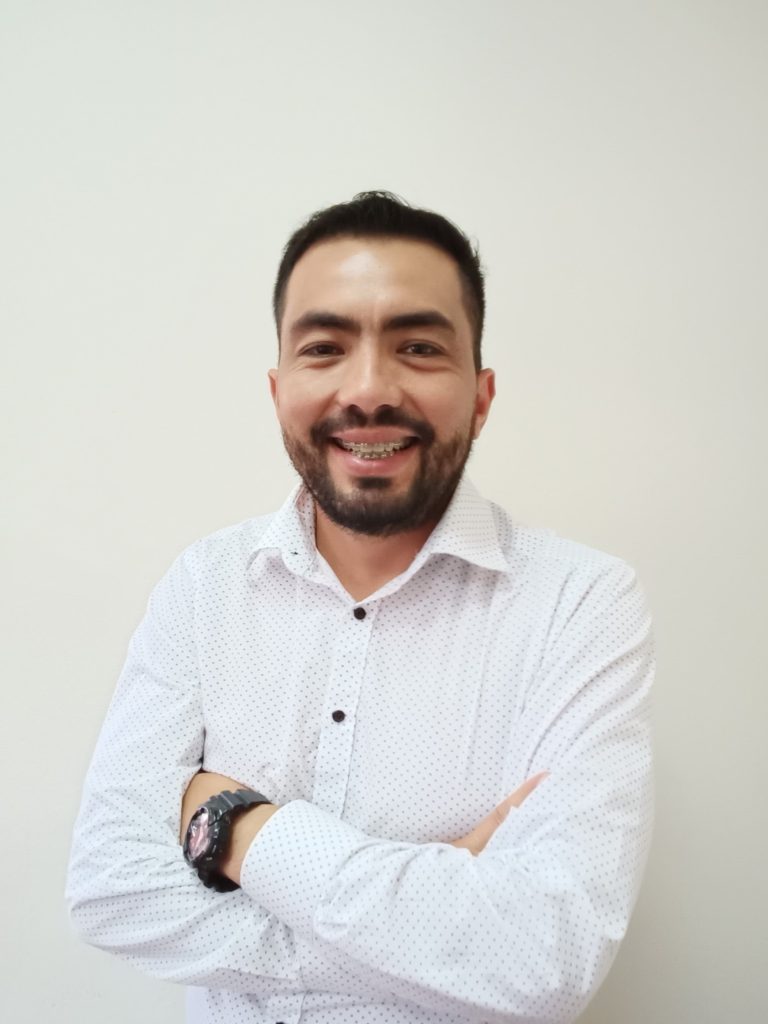
Alejandro Muñoz
Líder del equipo de Tecnología de las Operaciones de Tunning.
For this reason, our company will launch new internal training programs focused on artificial intelligence as it applies to day-to-day work, covering everything from the proper construction of prompts to the strategic selection of tools tailored to each operational challenge.
“Best practices involve constantly training ourselves and testing new tools. AI models evolve every sixty or seventy days, so we must continually adapt and evaluate how to incorporate those improvements into our automations and processes,” he says.
In addition to technical learning, participating in the Claude Impact Lab strengthened the team’s collaborative work. “Attending the event also helped us bond and share new ideas on how to continue promoting the use of artificial intelligence within the organization,” Muñoz concludes.
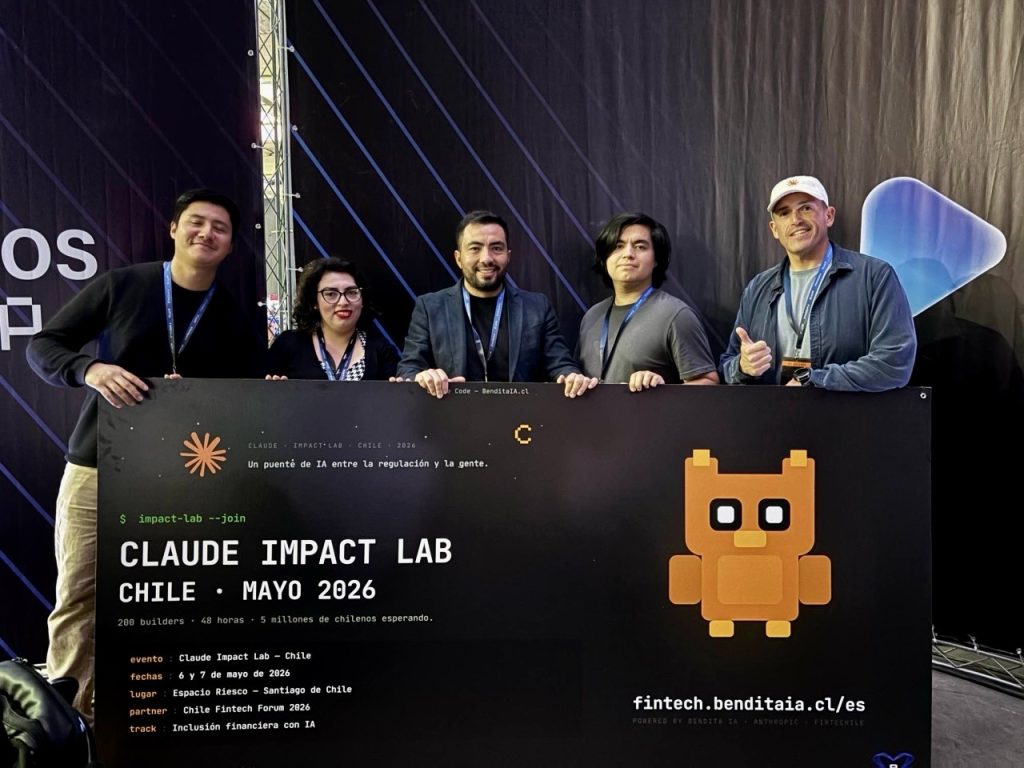
Juan Parra, Priscila Diaz, Alejandro Muñoz, and Felipe Soto of Tunning Ingeniería at Claude Impact Lab 2026.