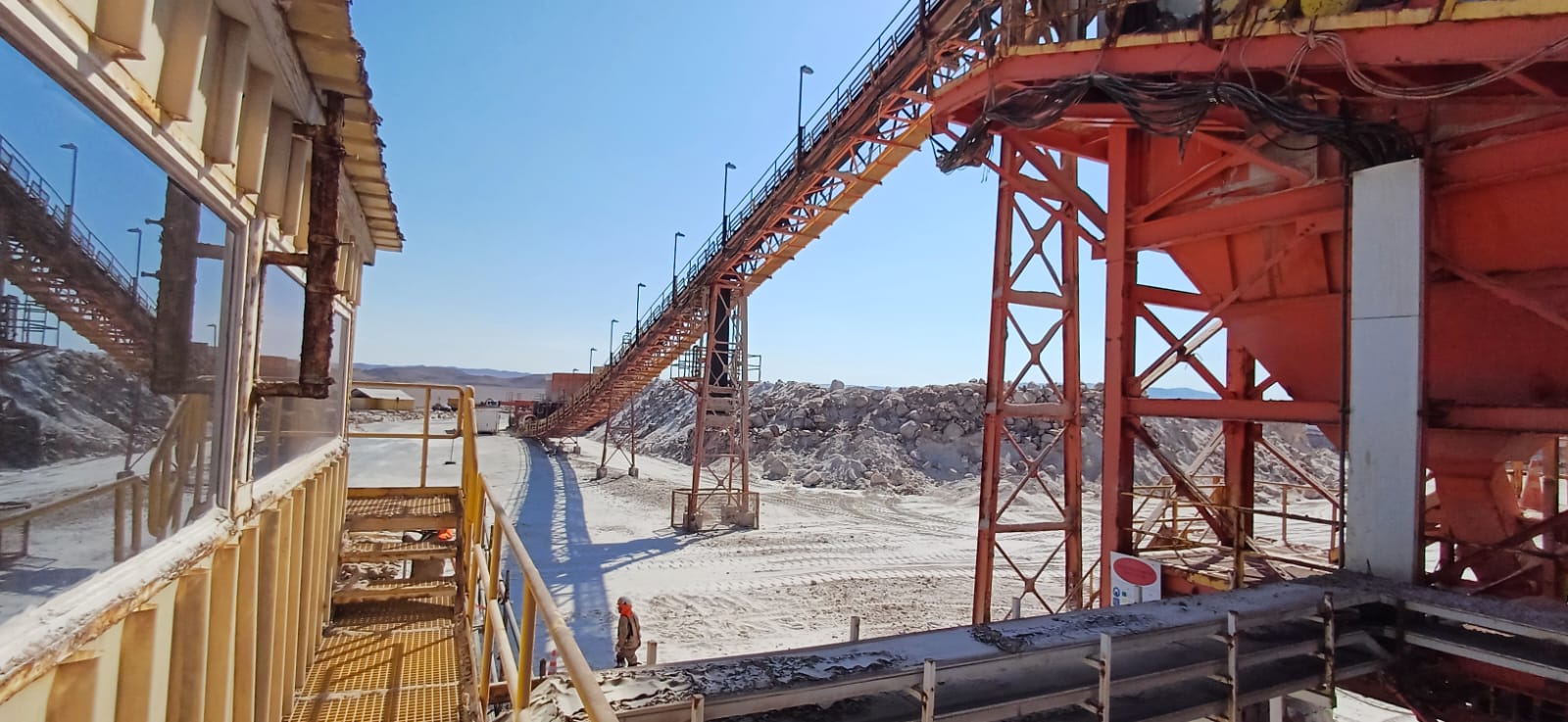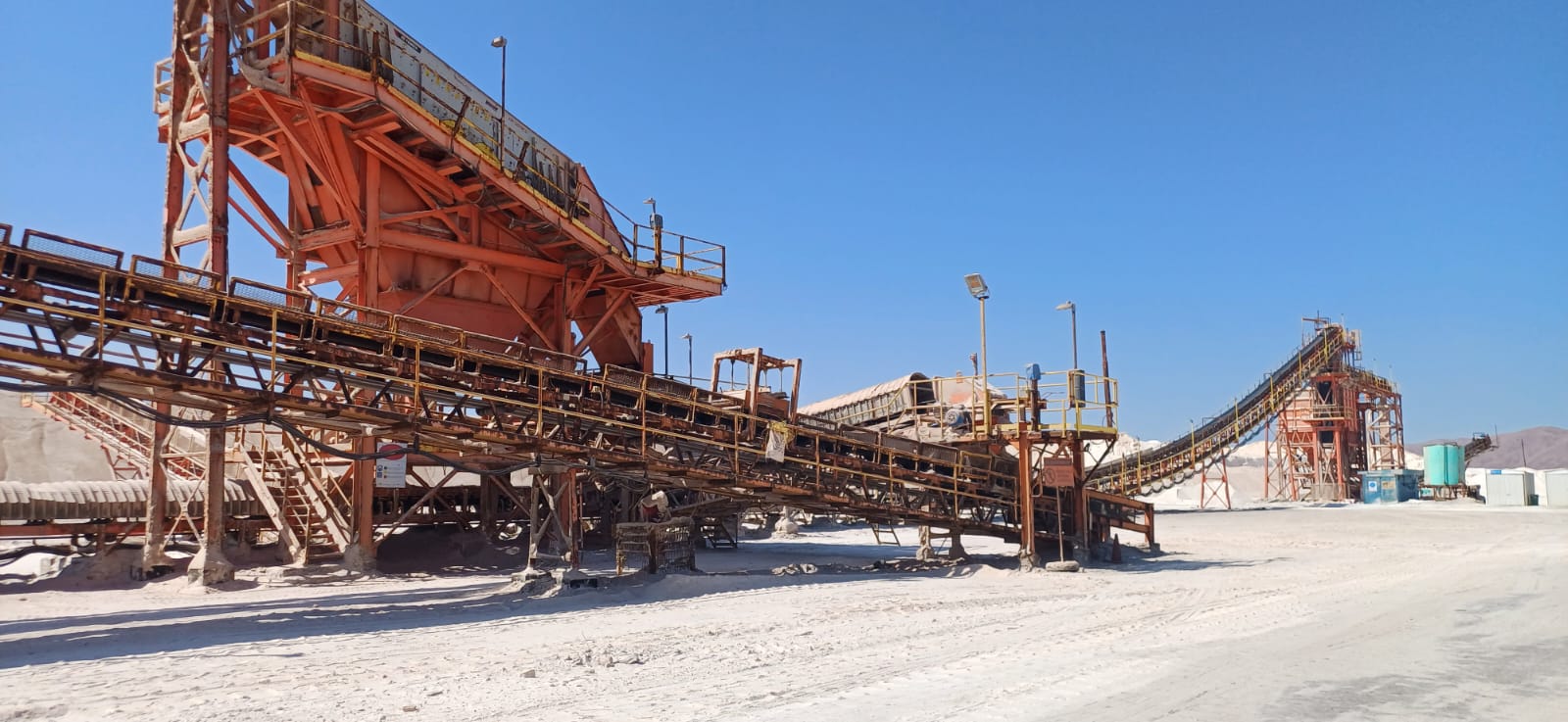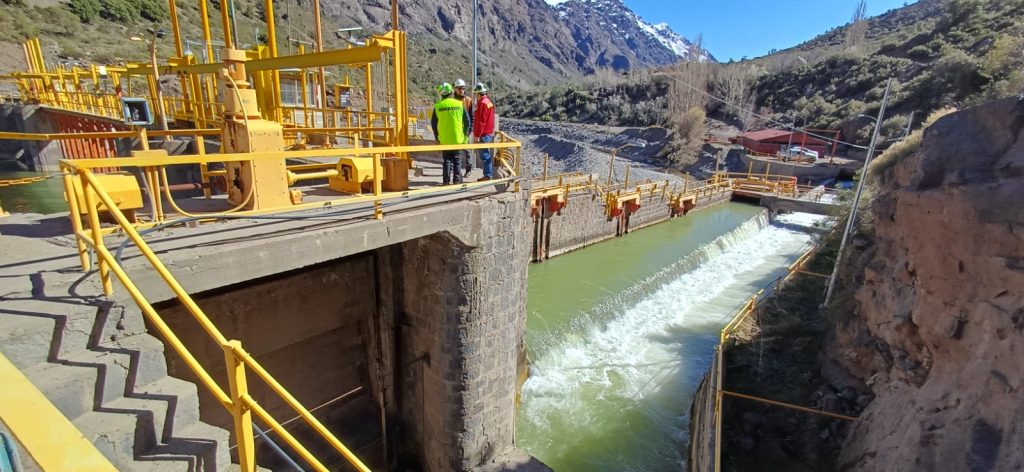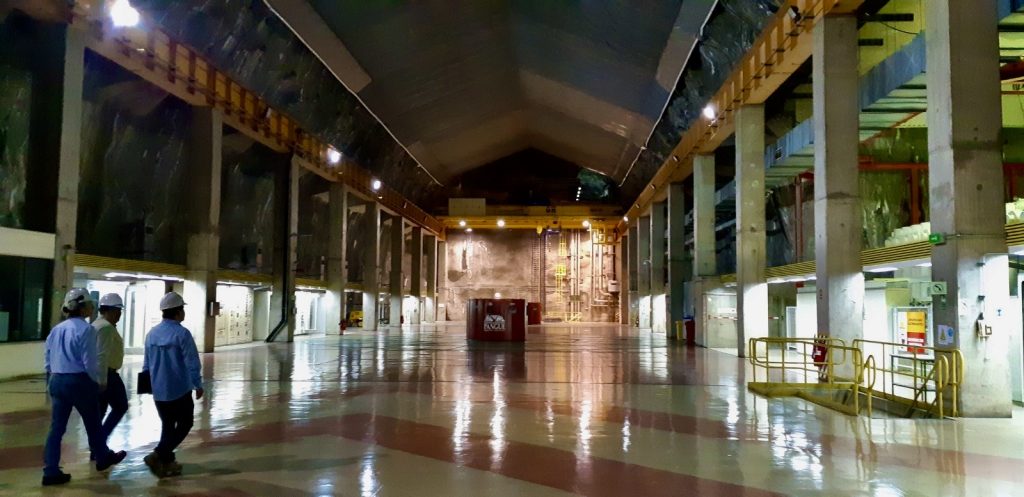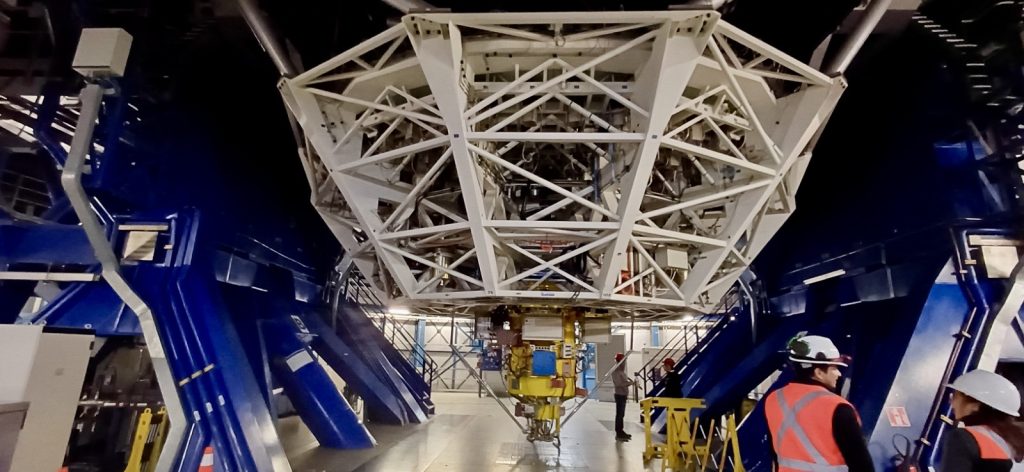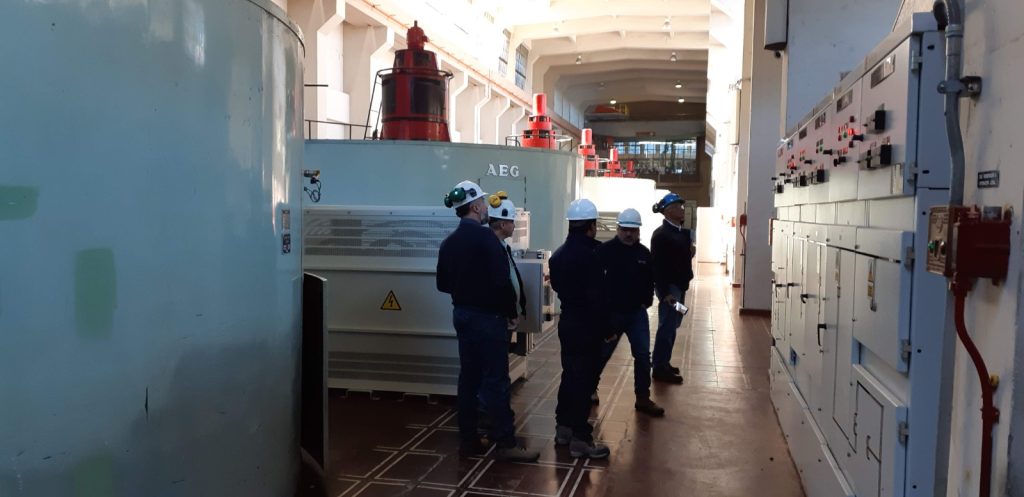
From logistics coordination to the collection of critical data, at Tunning Ingeniería we view site visits as a key step—whenever the project requires it—to ensure sound proposals and build trusting relationships with our clients.
At Tunning Ingeniería, we develop automation and control solutions for industrial projects, particularly in demanding sectors such as mining. In this context, for projects that require it, site visits are a critical step, as they allow us to gain a deep understanding of each client’s needs, gather relevant information, and design solutions tailored to the operational reality.
“There are two types of site visits: those that respond to a client request within a bidding process, with defined dates and conditions, and those we organize as part of our commercial plan, seeking opportunities within a specific geographic area,” explains Marcelo Calquín, Business Manager Chile.
Planning varies depending on the origin of the visit. When the client initiates it, we adapt to their schedule. When we organize our own visits, we coordinate agendas with different clients to optimize time and generate multiple meetings over one or more consecutive days. In both cases, logistics are managed internally through our platform, in coordination with the specialized area (transport, vehicles, accommodation, and other requirements are arranged in advance).
Preparation is a decisive step. For visits related to bidding processes, the focus is on understanding the project scope and collecting technical information that is not always included in the tender documents, such as site conditions, climate, or access routes. In exploratory visits, meanwhile, we aim to understand what stage our clients are at and what needs they foresee. “These are opportunities to identify possibilities, from improvements to existing systems to new projects or specific requirements,” Calquín adds.
In bidding processes, we follow a program defined by the client along with the other participating companies. In our own visits, we present our capabilities, experience, technological partnerships, and success stories, creating a space for dialogue that allows us to identify concrete collaboration opportunities.
A key aspect is logistical preparation. This is carried out together with the logistics team and includes management approval, the use of internal platforms, and planning ideally done at least one week in advance. “In bidding processes, timelines are often very tight, so we must respond quickly, sometimes resolving requirements within a single day,” says Calquín.

Marcelo Calquín
Business Manager, Chile
Tunning Ingeniería
This is complemented by specific considerations for each site, such as entry requirements or geographic conditions. In some cases, for example, pre-employment medical exams are required for high-altitude visits, which involves additional prior coordination.
Best practices make the difference: studying the project scope in advance, understanding the profile of stakeholders, and having the appropriate personal protective equipment are essential. Additionally, taking photographic records of the visited areas helps improve the quality of subsequent technical proposals.
Finally, continuous learning is key. Identifying competitors on-site, assessing logistical conditions, and refining internal processes are actions that strengthen our responsiveness. “At Tunning Ingeniería, we understand that a well-planned and executed site visit not only gathers information—it also builds trust and opens new opportunities for joint development with our clients,” Calquín concludes.