
Claudio Jara, founder and CEO of the Chilean automation and electric drive company, explains how they have built a robust control architecture and a resilient work culture, with technical leaders capable of solving new operational challenges.
The experience of a deep crisis a decade ago marked a turning point in the way Tunning Ingeniería—a company specializing in automation and electrical solutions for highly complex industrial projects—now faces the operational, technological, and human risks that accompany its growth.
In companies operating in critical industrial environments, error is not a distant hypothesis, but a variable that must be managed on an ongoing basis. At Tunning Ingeniería, the lessons learned from the crisis are now part of the company’s DNA.
“We have a significant responsibility to keep our processes under control in relation to all our stakeholders: customers, employees, suppliers, government entities, and neighboring communities,” says Claudio Jara, founder and CEO of the firm. For him, the challenge is not limited to operating under normal conditions, but is exacerbated in highly complex scenarios such as cyberattacks, earthquakes, pandemics, or critical failures in essential services such as energy, water, or connectivity.
Corporate governance and data-driven management
Tunning’s response to this scenario has been to build a robust control architecture, where corporate governance plays a central role. Added to this is the extensive digitization and automation of its own operations, supported by a management control system that provides real-time visibility into the company’s status.
This model not only allows for monitoring deviations from internal policies, but also for activating early warnings and making data-driven decisions, an approach that is increasingly valued in industries where margins of error must be minimal.
Operational continuity as standard
Operational resilience is another pillar. The company has formal business continuity and disaster recovery plans (BCP/DRP), backed by a technological infrastructure of servers and connectivity. This allows it, if necessary, to operate almost 100% remotely. “The goal is for people to be able to continue working even in extreme scenarios,” explains Jara.
The technical leadership and critical mass of specialists that the company has—who have access to the technical capital built up through thirty years of experience and learning—encourage teamwork that enables technological challenges to be solved, with the support of technology partners such as Siemens and Rockwell.
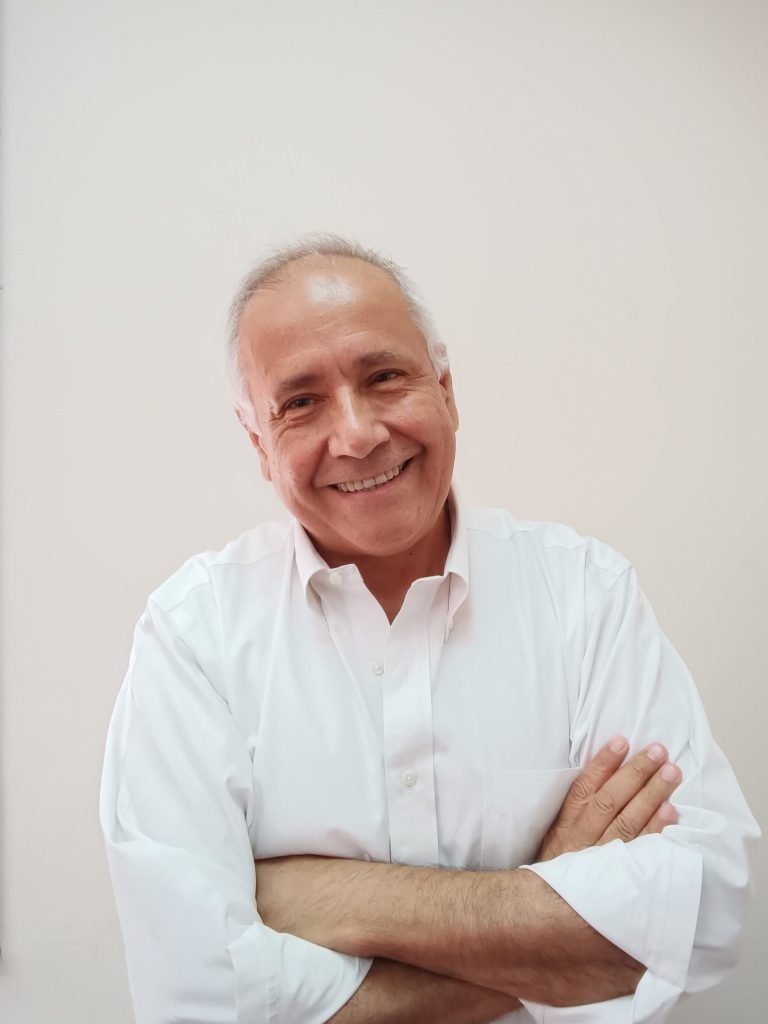
Claudio Jara, founder and general manager of Tunning Engineering.
Added to this is an administrative and technical back office designed to scale alongside operations, providing ongoing support, training, and assistance to field staff. Jara explains, “Every week we have around twenty staff trips to the field. Our administrative teams ensure that everyone has a plane, hotel, food, truck, and clothing suitable for the altitude, weather conditions, etc., because if someone is unable to get to a job site, the impact on the client is too high.”
The same applies to the management of family contingencies, illnesses, resignations from the company, or any other situation. In response, they have a talent management system that allows them to resolve issues quickly, minimizing impacts.